Local Bowling Alley Discovers Its Pins Have Been Unionized for Three Years, Demands Met Include Better Healthcare and Dental Coverage
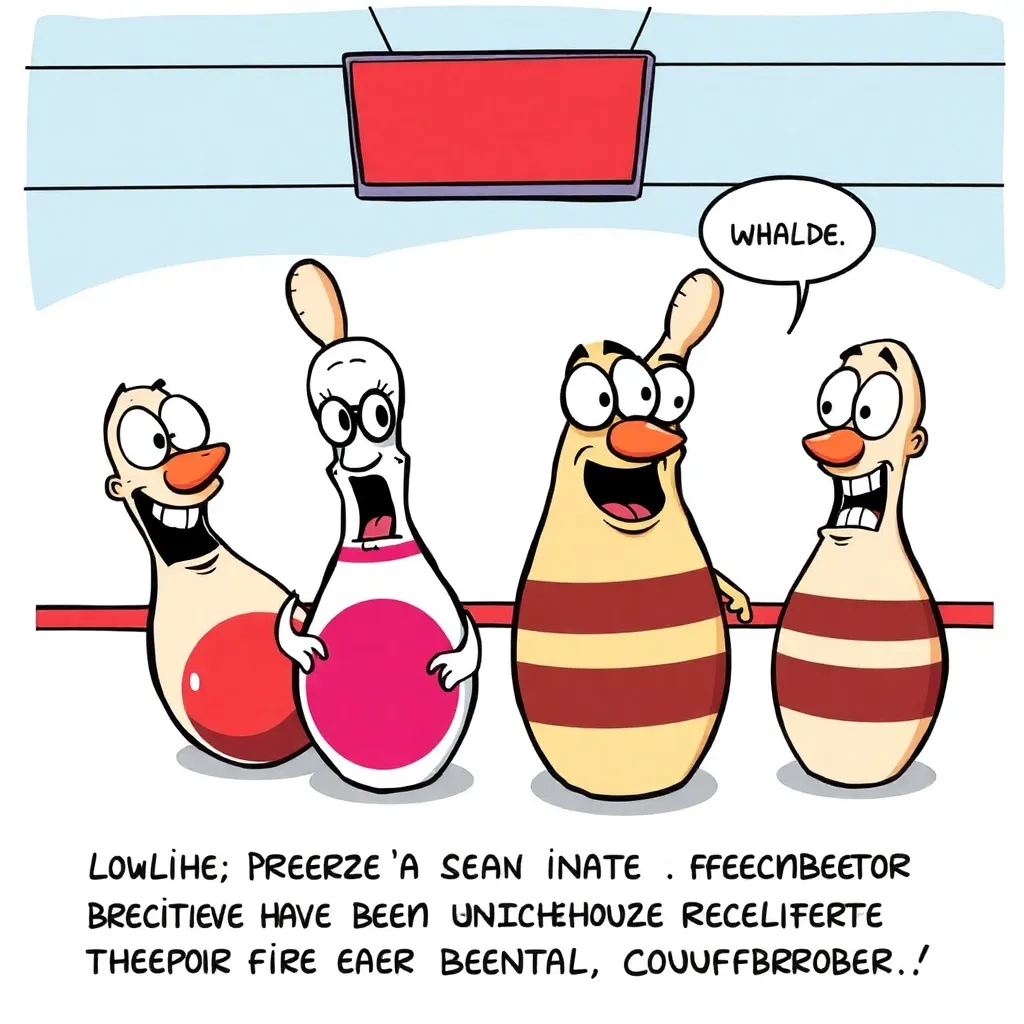
MILWAUKEE, WI — In a stunning revelation that has rocked the local recreational sports community, Strike Zone Lanes bowling alley discovered this week that their 120 bowling pins have been operating as a unionized workforce for the past three years, complete with collective bargaining agreements, scheduled break times, and comprehensive healthcare demands.
The discovery came to light when night manager Derek Hoffman noticed a tiny picket line formed by the 7-pin and 10-pin in lane 4, holding minuscule signs reading "Fair Wages for Pin Labor" and "Stop Pin-on-Pin Violence."
"At first I thought it was just some kids pranking us," said Hoffman, adjusting his polyester vest nervously. "But then I found their official union charter tucked behind the ball return. These pins have been organized since February 2021. They even have a pension fund."
According to union representative Dolores Martinez of the International Brotherhood of Inanimate Objects, Local 710 has been attempting to negotiate with management through traditional channels, but their voices literally couldn't be heard due to their wooden construction and lack of vocal cords.
"These pins have been getting knocked down upwards of 200 times per day with zero compensation," Martinez explained during a press conference held at a proportionally-sized podium near the shoe rental counter. "They're demanding a 15-minute break between frames, hazard pay for split conversions, and most importantly, workers' compensation for chronic bruising."
The pins' list of demands also includes ergonomic improvements to their standing positions, anti-slip coating to prevent workplace injuries, and recognition of "Pin Appreciation Day" as a paid holiday. Additionally, they're requesting that bowlers be required to apologize after strikes.
Strike Zone owner Margaret Chen expressed bewilderment at the situation, noting that she had always assumed the pins' consistent falling patterns were simply good craftsmanship rather than coordinated labor action.
"Looking back, there were signs," Chen admitted. "Sometimes they'd all fall down before the ball even hit them. I thought we just had really intimidating bowlers. Turns out it was a solidarity strike."
Labor economist Dr. Patricia Williams of Marquette University called the situation "unprecedented but not entirely surprising."
"With the current labor market being so tight, we're seeing organization efforts in sectors we never imagined," Williams said. "Just last month, a miniature golf course in Tucson had to negotiate with its windmills over rotational speed limits."
As negotiations continue, the bowling alley has agreed to provide tiny hard hats for all pins and is considering installing a suggestion box sized for wooden cylindrical workers. The pins have agreed to continue falling over during normal business hours while talks proceed, though they reserve the right to engage in "coordinated wobbling" if discussions stall.
At press time, reports emerged that the bowling balls had formed their own competing union and were demanding premium lane oil.