Scientists Discover That Plants Have Been Gossiping About Humans for Millennia, Mostly Negative Reviews
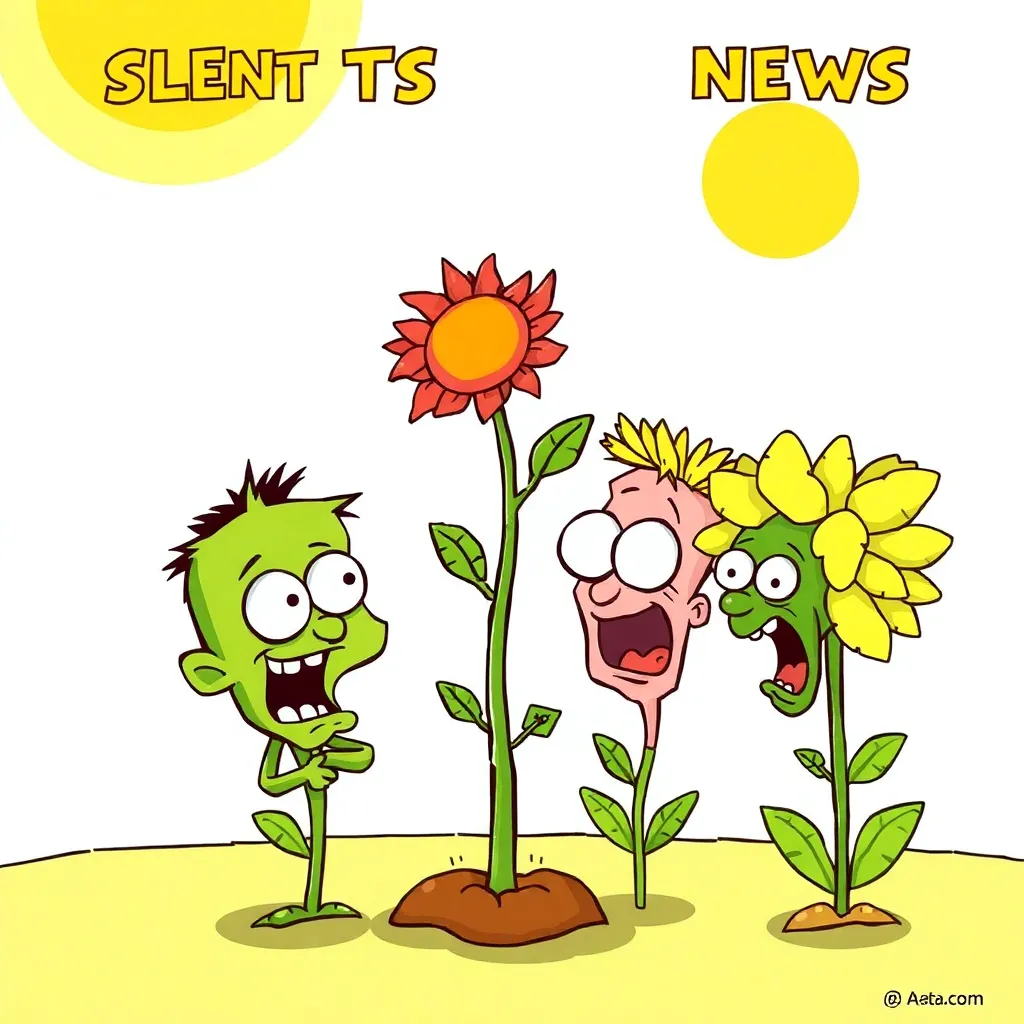
BERKELEY, CA — In a groundbreaking study that has fundamentally altered our understanding of plant behavior, researchers at the University of California have definitively proven that plants have been actively gossiping about humans for thousands of years, with preliminary translations suggesting the reviews are "overwhelmingly harsh."
The discovery came after Dr. Melissa Thornberry's team successfully decoded what they initially believed to be simple chemical signals between plants. "We thought we were just studying basic nutrient communication," explained Thornberry, lead botanist on the project. "Instead, we uncovered what can only be described as the botanical equivalent of Yelp reviews, except every human gets one star and the comments are absolutely savage."
Using advanced spectrographic analysis, the research team translated over 40,000 plant conversations spanning the last three millennia. The results paint a picture of flora that are not only sentient but surprisingly judgmental. Common topics include criticism of human watering techniques ("Gary overwatered the petunias again. They're basically aquatic now."), disparaging remarks about landscaping choices ("These humans have zero aesthetic sense. Who plants marigolds next to roses?"), and extensive commentary on human fashion.
"The plants seem particularly obsessed with our footwear," noted Dr. James Willowbark, a plant psychologist brought in to analyze the behavioral patterns. "There's an entire sub-conversation network dedicated to rating different types of shoes walking by. Apparently, Crocs are considered 'an affront to nature itself,' while they have grudging respect for well-maintained leather boots."
Perhaps most disturbing is evidence that plants have been coordinating efforts to influence human behavior. The infamous "brown thumb" phenomenon, long attributed to poor gardening skills, appears to be the result of plants deliberately withering when tended by humans they collectively dislike. "It's botanical peer pressure," confirmed Dr. Thornberry. "If the local plant community decides you're annoying, they'll basically commit suicide rather than thrive under your care."
The research has also revealed that plants maintain detailed profiles on regular humans in their vicinity. Mrs. Margaret Henderson of Palo Alto was shocked to learn that her prized rose garden has been referring to her as "Helicopter Plant Mom" and complaining about her "suffocating micro-management style" for the past six years.
"They also apparently think my sun hat makes me look like 'a wandering mushroom,'" Henderson added, visibly hurt.
The study's implications extend far beyond hurt feelings. Environmental scientists are now reconsidering conservation strategies, while therapists report a surge in clients experiencing existential crises over being negatively reviewed by their houseplants.
Dr. Thornberry's team plans to continue their research, with next phases focusing on animal translation. Early results suggest squirrels have been running an underground gossip network that makes plants look like amateurs.