International Consortium of Gravity Researchers Publishes Landmark 800-Page Study Confirming That Objects Placed On Tables Are Being Held Up By The Tables They Were Placed On, Structural Support Analysts Describe Phenomenon As 'Vertical, Surface-Dependent, And Happening Right Now To Millions Of Mugs'
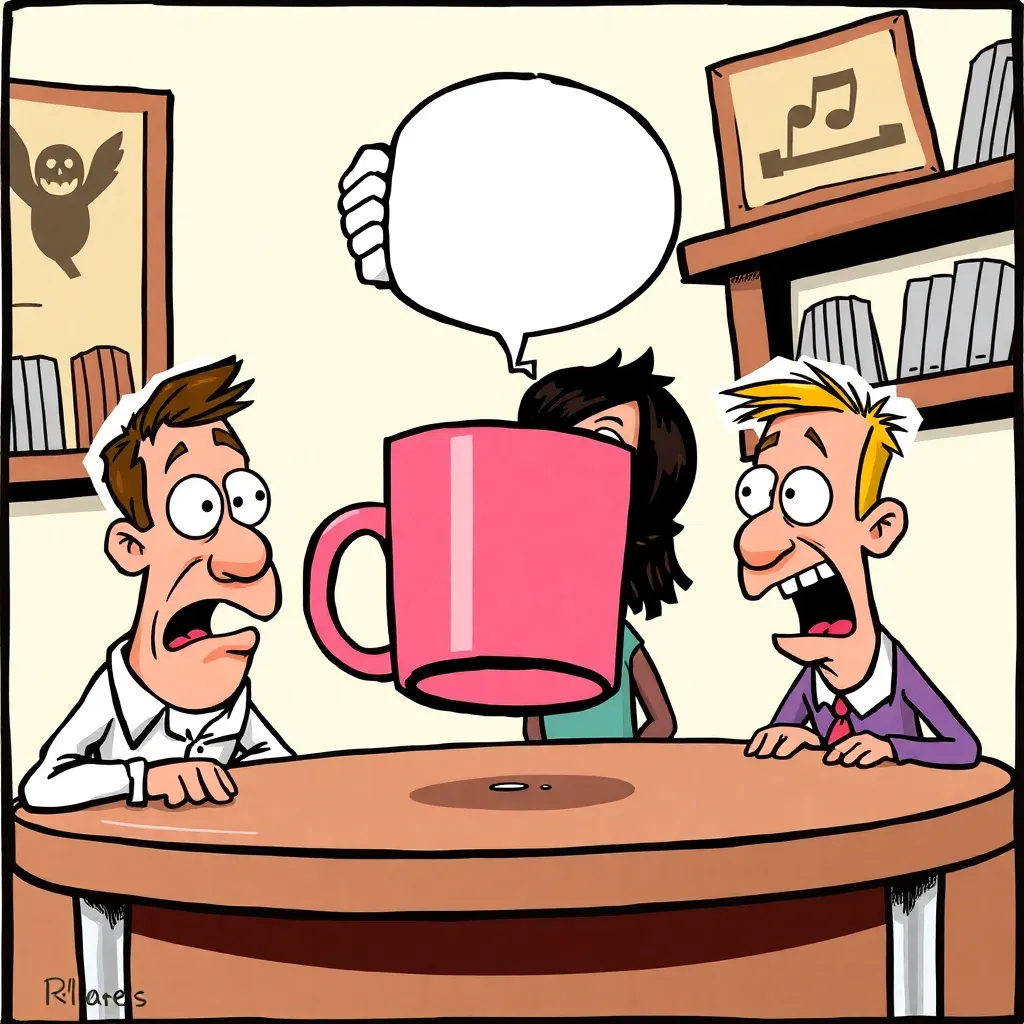
GENEVA — In what scientists are calling the most consequential structural finding of the 21st century, an international consortium of 214 researchers across 19 countries has formally confirmed that objects currently resting on tables are being supported by those tables, and that without the tables, the objects would not be where they are.
The study, published Monday in the peer-reviewed Journal of Foundational Physical Realities, is the product of eight years of fieldwork, 4,200 individual table observations, and a $340 million grant from the Global Institute for Understanding Things That Are Happening. The 800-page report concludes, with a confidence interval of 99.97%, that tables are 'load-bearing, horizontal, and structurally responsible for the current position of items placed upon them.'
'What we found was honestly breathtaking,' said lead researcher Dr. Pamela Ostricht of the University of Lausanne's Department of Obvious Structural Phenomena. 'When we placed a coffee mug on a table and the coffee mug stayed there, we knew immediately we were looking at something big. The table was doing that. The table was responsible.'
Dr. Ostricht emphasized that the findings were replicated across multiple surfaces, including dining tables, coffee tables, folding tables, and one particularly sturdy ottoman that researchers argue exists 'in a legally ambiguous zone between table and not-table that warrants its own multi-year inquiry.'
Co-author Professor Reginald Fumworth of the Cambridge Centre for Applied Flatness described the moment the team realized the full scope of their discovery. 'We began asking ourselves: what is the table doing, exactly? And the answer — and I want to be careful here because this is dense material — is that the table is holding the object up. The object is on top. The table is below it. This is not a coincidence.'
The report has drawn immediate praise from the scientific community. Dr. Yolanda Breese of the Stockholm Foundation for Research Into Research described it as 'the kind of rigorous, courageous science that asks the questions everyone else was too afraid to already know the answer to.'
Not everyone is convinced the findings justify the budget. Senator Carl Pittock of the U.S. Senate Subcommittee on Scientific Expenditures called the study 'an affront to taxpayers,' before his aide reminded him the funding was entirely private, at which point he called it 'a bold use of private resources.'
The consortium says follow-up studies are already underway, including a projected six-year investigation into whether chairs, when sat upon, are also doing something, and a preliminary scoping review examining what happens to soup when a bowl is involved.
'We are only beginning to understand the relationship between flat surfaces and the objects that trust them,' Dr. Ostricht said at a press conference Tuesday, gesturing to a notepad resting on a podium. 'That notepad,' she said quietly, 'is being held up right now. We did that. We proved that.'
The full report is available for download and weighs, researchers confirmed, slightly more than nothing due to the paper it is printed on, which is itself resting on whatever surface the reader has placed it upon.